
Data standards: Laying the groundwork for an open, faster, data-driven planning system
We have now laid regulations in Parliament to introduce mandatory data standards for Plans – marking a significant moment for planning in England. This is the first time the planning data powers in the Levelling Up and Regeneration Act 2023 have been used in this way, an important step towards an open, faster, data-driven planning system.
This is an important milestone – not just technically but also in how we work. It is a concrete step towards a planning system that works better for everyone – local communities, planning authorities, developers, and anyone with a stake in where and how homes and infrastructure are built.
What are we doing?
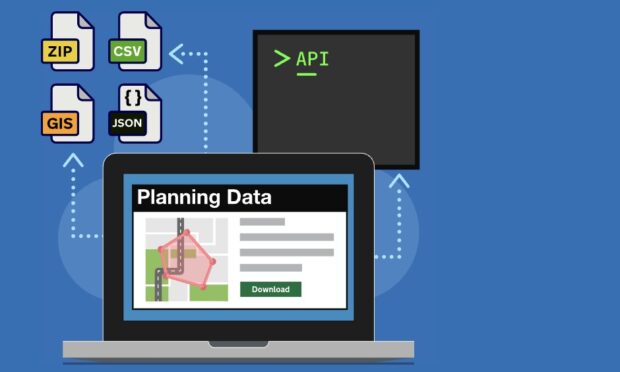
These regulations make it mandatory for local planning authorities (LPAs) that are creating local plans, minerals and waste plans or supplementary plans, under the new plan-making system, to publish their Plan timetables and housing requirement in a standardised format. The data standard, and guidance for how to follow it, are set out on the ‘publish your plan data’ page and explain how information, such as dates, plan names and numbers, must be published. The ‘check and provide’ service on the Planning Data platform enables LPAs to check their data and receive immediate feedback on whether it meets the new standards.
Until now, up-to-date information on plan-making progress – including how many homes each local planning authority needs to plan for – has been hard to find. It has sometimes been out of date on a council’s website or buried in lengthy PDF documents, making it difficult to access and preventing us from having the open, transparent and efficient planning system we need.
Why this matters?
It is important that all LPAs record and publish their data in the same way. When they do, we can have a clear, national picture of plan-making progress and housing ambitions across England. Timetable data will show the status of local plan preparation nationwide while standardised plan data will give us a clear, consistent view of required housing numbers for each local plan. This transparency will directly support the government's commitment to delivering 1.5 million new homes this Parliament.
Consistent, open data will also make it easier for citizens and organisations to bring together and compare planning information from different authorities. And open data creates opportunities for new tools, products and services that can make planning clearer and more accessible for everyone.
A collaborative effort
This has been a genuinely collaborative journey. The Digital Planning programme’s planning data and policy, engagement and legislation teams have worked in lockstep with colleagues across the department, including the local plans policy and data teams and legal and parliamentary teams.
Extensive user research and testing with local planning authorities, has also been important. We have tested the data standards with users to gather early feedback and make improvements before publishing. Several LPAs who will soon be drafting their local plan under the new plan-making system have tested the standards, giving us confidence that what we are asking is practical and workable.
Together we've turned a policy ambition into something real.
The first step in a longer journey
This is the first step in our plan to standardise planning data more broadly. Data standards are an enabler of wider planning reform, helping us deliver the new policy changes efficiently and ensuring our overall policy ambitions are achieved more quickly.
Higher quality, openly published data will help to drive real efficiencies – providing us with a national picture of plans and housing delivery, unlocking new tools and services and supporting LPAs as they make the transition to the new plan-making system. It also opens up opportunities for communities and organisations to engage with planning in new and more meaningful ways.
Next steps
We will continue this work in close partnership with our policy colleagues at MHCLG, LPAs and the wider planning sector.
If you’re an LPA bringing forward a plan under the new plan-making system, we encourage you to follow the guidance and publish your data to the approved standard. Doing so will help communities, the development sector and innovators find and use planning information easily and ensure you are well prepared as you produce your plan. Share your experience of meeting the approved data standard by emailing
If you would like to be involved in our ongoing work on data standards, looking at planning application submission and decision data specifications, join the data standards community. The next community session is on 27 May 2026, at 10.30am. To see what we are working on next explore our public project board to follow our progress and what we’re looking to address.
This work is part of the Digital Planning programme. For more information about the Digital Planning programme, follow us on LinkedIn to stay connected, and subscribe to our newsletter for the latest updates.
When you subscribe to the blog, we will send you an e-mail when there are new updates on the site so you wouldn't miss them.

Comments